Alert Fatigue Is an Ops Problem
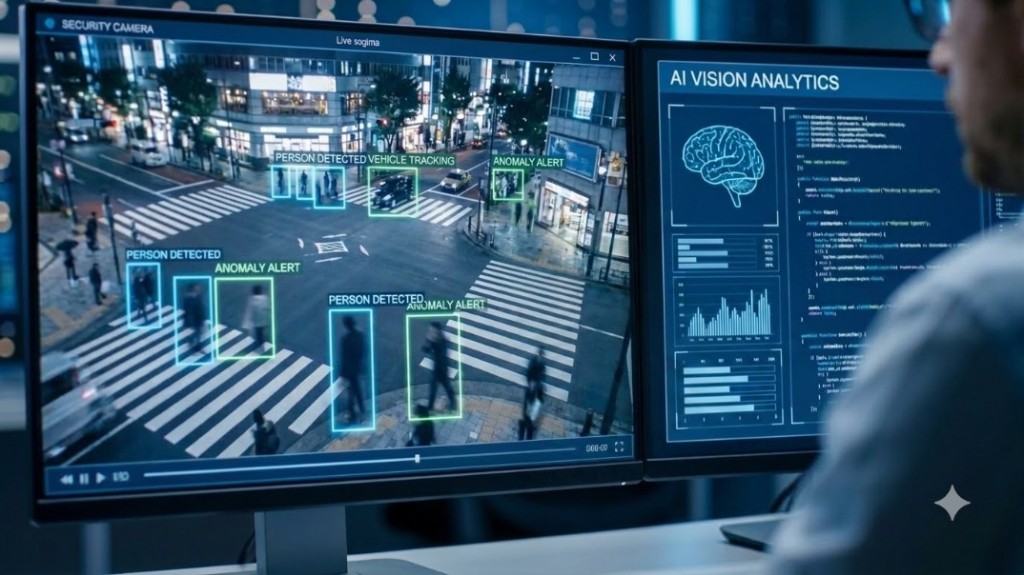
More cameras do not equal better coverage. Prioritized AI alerts help operators respond faster without drowning in low-signal noise.

Key takeaways
- 01Alert volume without triage becomes operational debt.
- 02Confidence, context, and routing matter more than raw detections.
- 03Healthy camera estates reduce false gaps and noisy blind spots.
Security operations teams rarely fail because they lack cameras. They fail because signal quality collapses under volume. When every motion event competes for attention, true exceptions arrive late — or not at all.
Why more alerts can make sites less safe
Unfiltered detections create a false sense of coverage. Operators learn to ignore queues. Night shifts inherit noisy policies. Incidents still occur, but the system that was supposed to accelerate response becomes the reason response slows down.
- Low-confidence events crowd out critical exceptions
- Missing context forces operators to open multiple feeds manually
- No role-based routing means everyone sees everything
- Camera downtime adds silent gaps that look like quiet sites
Alert fatigue is not a people problem. It is a systems design problem.
Design for prioritized action
Effective video operations platforms emphasize triage: higher-confidence events first, evidence attached, and clear ownership. The goal is not infinite detection. The goal is fewer interruptions with higher decision value.
Pair that with searchable video for after-action review and estate health monitoring so operators are not fighting both noisy alerts and broken cameras. That combination is how multi-site teams stay responsive without scaling headcount one-for-one with camera count.
Keep reading
Related articles
Operations
Transforming CP Plus Surveillance into Intelligent Video Infrastructure with Orion Alerts
Installing high-quality cameras is only the first step towards building an effective surveillance system.

Vision Intelligence
What Is a Vision Intelligence Platform?
How AI-powered video analytics, computer vision, and intelligent copilots turn CCTV feeds into real-time operational intelligence — beyond security monitoring.